Product availability and information are based on our research at time of writing and are subject to change. Always check Amazon for the latest details before purchasing.
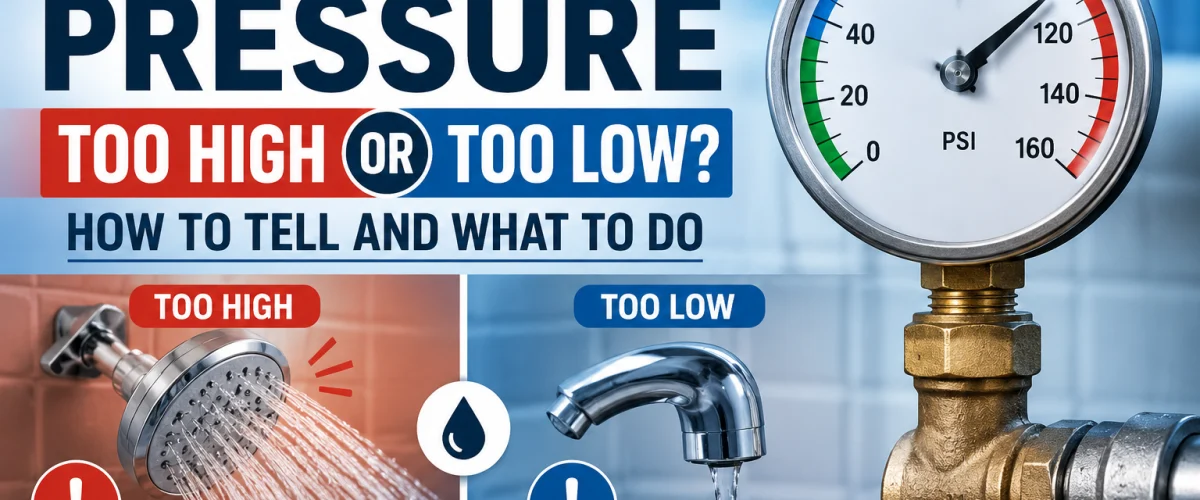
Your home’s water pressure affects everything — from your morning shower to how fast your washing machine fills. It’s one of those things most homeowners never think about until something goes wrong. Normal home water pressure should sit between 40–80 PSI. Pressure that’s too high can burst pipes, damage faucets, and cut years off your appliances’ lives. Pressure that’s too low means weak showers, slow-filling tubs, and frustrating flow from every tap. This guide walks you through exactly how to identify whether your water pressure is too high or too low — and what to do to fix it. The first step is checking your pressure with a water pressure gauge.
1. What Is Normal Water Pressure?
Water pressure is measured in PSI — pounds per square inch. For most US homes, the safe and functional range is 40–80 PSI. The sweet spot for most households is around 60 PSI — high enough to deliver good flow at every fixture, but low enough to protect your pipes and appliances from unnecessary stress.
Checking your water pressure takes about 60 seconds and requires no plumber. Attach a water pressure gauge to an outdoor hose bib or washing machine connection, turn the water on fully, and read the dial. That’s it — quick, easy, and inexpensive.
Tip: Every homeowner should check their water pressure at least once a year. A $10 gauge from Amazon can save hundreds in appliance repairs. See our guide to the best water pressure gauges to find the right one.
2. Signs Your Water Pressure Is Too High (Above 80 PSI)
High water pressure is more common than most homeowners realize — and more damaging. Here are the warning signs to watch out for:
- Banging or knocking pipes — also called water hammer, caused by the sudden force of high-pressure water stopping abruptly in the pipes
- Leaking faucets and fixtures — seals and washers wear out faster under sustained high pressure
- A running toilet that won’t stop — high pressure can damage toilet fill valves and flappers over time
- Washing machine or dishwasher leaks — inlet valves and hoses are placed under constant strain
- Shortened appliance lifespan — water heaters, dishwashers, and washing machines all wear out faster
- High water bills — more pressure means more water flowing through every fixture, even when you’re not using it
⚠️ Warning: Water pressure above 100 PSI can burst pipes, void appliance warranties, and cause serious water damage. Check your pressure immediately if you notice any of these signs.
3. Signs Your Water Pressure Is Too Low (Below 40 PSI)
Low water pressure is frustrating to live with and can signal a more serious problem in your plumbing system. Common signs include:
- Weak shower — poor flow even with the valve turned fully on
- Slow-filling washing machine or bathtub — takes noticeably longer than it used to
- Taps running slowly — reduced flow at sinks across the house
- Inconsistent hot water — pressure drops can affect how your water heater performs
- Poor performance from your garden hose — struggling to reach or rinse effectively
Tip: If only one fixture has low pressure, the problem is likely a blocked aerator or showerhead — not a whole-house pressure issue. Clean or replace the aerator first before calling a plumber. See our picks for the best shower heads if yours needs replacing.
4. How to Fix High Water Pressure
If your gauge confirms pressure above 80 PSI, here’s how to bring it back into a safe range:
- Confirm with a pressure gauge — test at an outdoor hose bib or washing machine connection before doing anything else. See our picks for the best water pressure gauges.
- Locate your Pressure Reducing Valve (PRV) — look for a bell-shaped valve on the main supply line, typically near the main shutoff in a utility room, basement, or crawl space.
- Adjust the PRV screw clockwise — turning the adjustment screw clockwise reduces the outgoing pressure. Make small adjustments — a quarter turn at a time — to avoid over-correcting.
- Recheck pressure after each adjustment — run water and test the pressure again before making further adjustments. Aim for 60 PSI.
- If there’s no PRV, or the PRV is faulty — a failing PRV can cause pressure to spike even after adjustment. In this case, call a licensed plumber. Find one at PlumberArchive.com.
5. How to Fix Low Water Pressure
Low water pressure has several possible causes. Work through these steps in order to find and fix the problem:
- Check if it’s one fixture or the whole house — if it’s just one tap or showerhead, the aerator is likely clogged. Unscrew it, clean out the debris, and reinstall.
- Check the main shutoff valve is fully open — a partially closed shutoff valve is a common and easy-to-miss cause of low pressure throughout the house.
- Check the PRV setting — if you have a PRV, try adjusting the screw counter-clockwise (loosen) to increase pressure. Test after each small adjustment.
- Check for leaks in supply pipes — a hidden leak can quietly drain pressure across the whole system. Check under sinks, around appliances, and in the basement. Read our guide on how to fix a leaking pipe, and see our picks for the best water leak detectors.
- Contact your water supplier — if the whole neighborhood has low pressure, the problem may be on the supply side. Your utility company can confirm whether there is a known issue.
- Call a plumber for persistent low pressure — if you’ve worked through all the above and pressure is still low, bring in a professional. A plumber can test the full system and identify issues inside walls or underground. Find one at PlumberArchive.com.
6. When to Call a Plumber
Some water pressure problems are straightforward DIY fixes. Others need a licensed plumber. Call a professional if:
- Your PRV needs replacing — this involves shutting off the main supply and connecting new fittings, which requires the right tools and experience
- Your pressure fluctuates constantly — swinging pressure often points to a failing PRV or a problem with the municipal supply line
- You have low pressure throughout the whole house despite working through all the checks above
- There is visible pipe damage or active leaks in walls, ceilings, or the foundation
Find a licensed plumber in your area at PlumberArchive.com — a directory of verified plumbers across all 50 states.
Frequently Asked Questions
What is the ideal water pressure for a house?
The ideal water pressure for a US home is between 40–80 PSI, with 60 PSI being the sweet spot. Below 40 PSI causes weak flow and poor fixture performance. Above 80 PSI risks damage to pipes, appliances, and fixtures over time.
How do I check my home water pressure?
Attach a water pressure gauge to any outdoor hose bib or washing machine connection, turn the water on fully, and read the dial. It takes under 60 seconds and costs as little as $10.
What causes high water pressure in a house?
High water pressure is usually caused by the municipal water supply delivering excess pressure, or by a faulty Pressure Reducing Valve (PRV). A PRV adjustment or replacement typically resolves the problem quickly and inexpensively.
Can high water pressure damage my washing machine?
Yes — water pressure above 80 PSI puts excessive strain on washing machine inlet valves, hoses, and seals. Most appliance warranties specify a maximum inlet pressure of 80 PSI. High pressure is one of the leading causes of washing machine leaks and hose failures.
Conclusion
Keeping your home’s water pressure in the right range is one of the easiest and most effective ways to protect your plumbing and appliances. Here’s a quick recap:
✍️ About This Review
Mike Reynolds, DIY Home Improvement Writer — Mike Reynolds spent over a decade working as a residential contractor before turning his expertise into practical writing for homeowners. He specialises in step-by-step how-to guides that make plumbing repairs accessible for beginners and experienced DIYers alike. Learn how we test →